Sándor Pusztai: The Lifeguard Behind the Lens

Sándor Pusztai was born on November 30, 1899, in Nyíregyháza, Hungary, as Sándor Pelach, the eldest of seven children. In his youth, he possessed a passion for singing and briefly considered a career as an opera singer. However, his father disapproved, famously stating he was “not raising gentlemen.”
As his parents leased and operated various spas and beaches at the time (including Pünkösdfürdő and Csillaghegy), Sándor eventually settled into a career as a lifeguard and swimming instructor. In those days, a lifeguard’s duties extended far beyond safety, involving the dedicated teaching of swimming techniques. Later, after their father left the family, all seven siblings changed their surname from Pelach to Pusztai. After serving as a soldier during World War I, Sándor returned to his work at the baths.
A Witness to the Social Elite
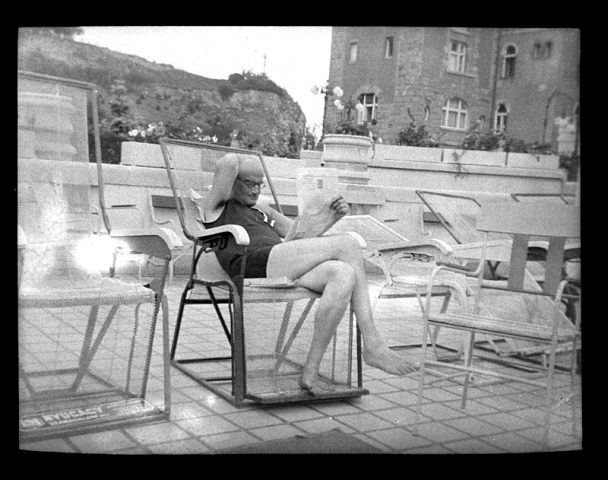
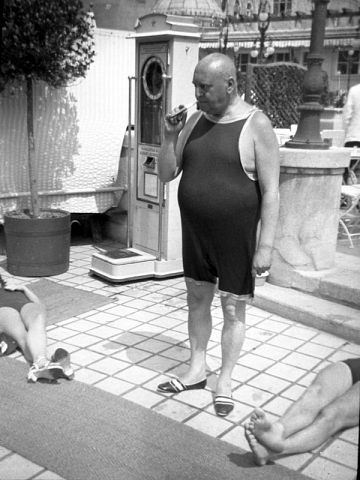
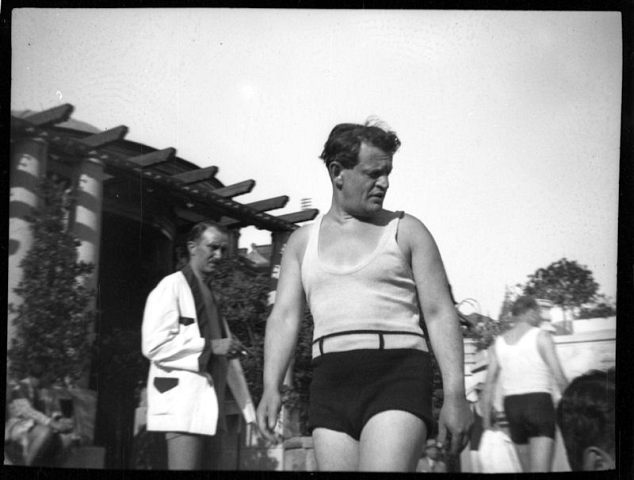
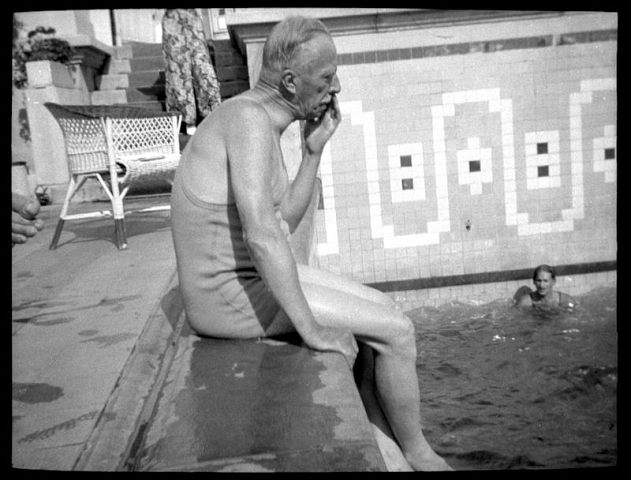
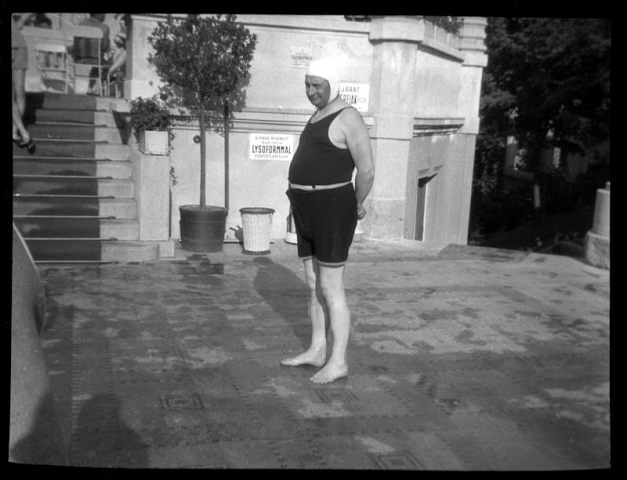
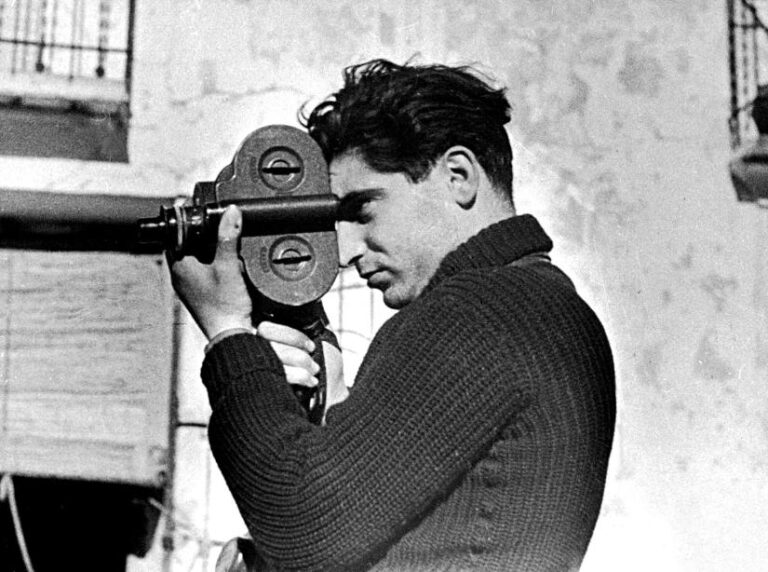
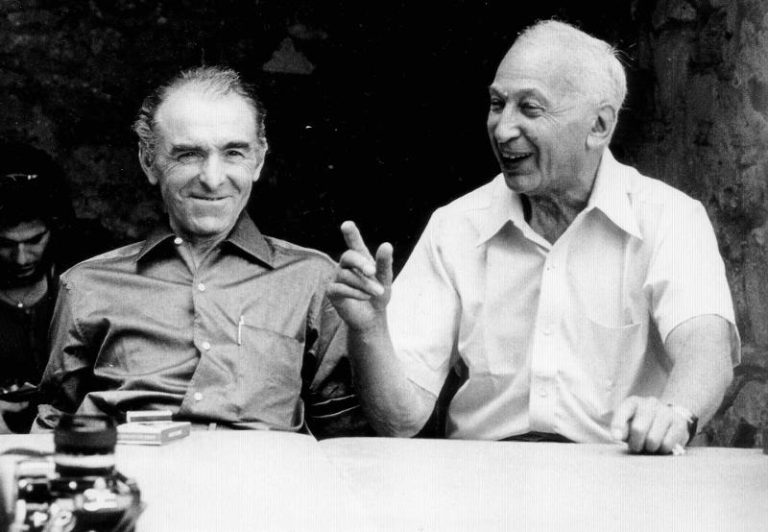
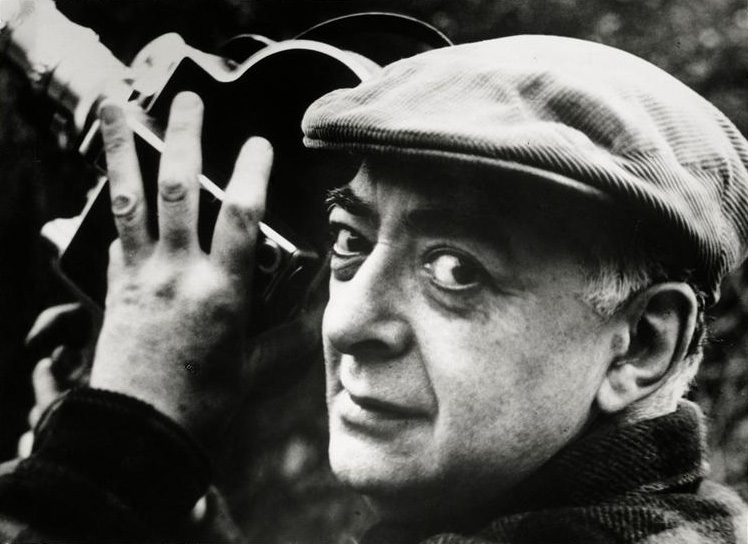
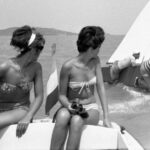
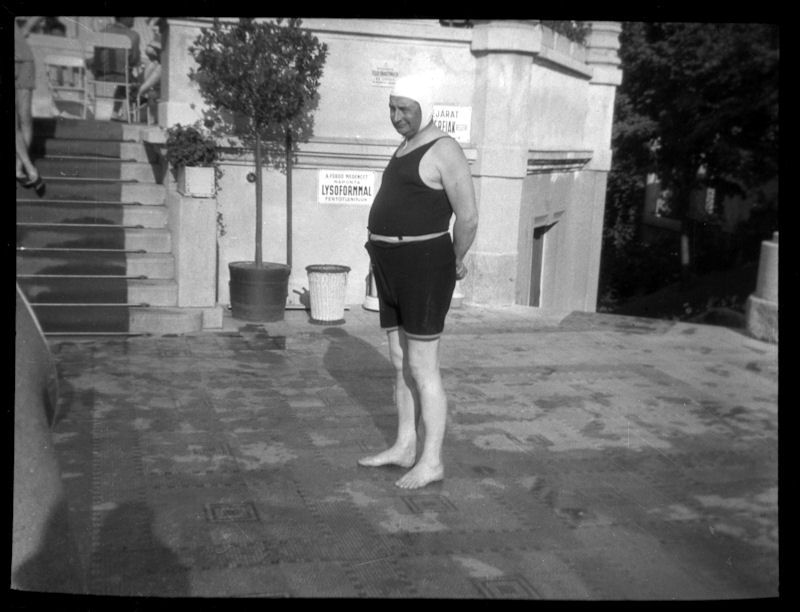
During the 1930s, he served as a lifeguard at the prestigious Gellért Baths, a favorite destination for the social elite of the era. He met celebrities and public figures daily, maintaining a friendly acquaintance with many of them. Photography was his devoted hobby, and he recognized a unique opportunity: for years, he continuously captured these famous figures in their most relaxed moments.
His legacy includes more than 600 postage-stamp-sized contact prints and their corresponding 3 x 4.5 cm negatives. Notes and dedications on the back of the prints reveal that he often gifted these photos to his models. Recognizing the historical value of his work, he carefully organized the images into albums. These treasures survived World War II and the 1956 Hungarian Revolution tucked away in small boxes, while Sándor continued to view and categorize his collection throughout his life.
Family and Later Years
Sándor spent the years of World War II in Budapest, working for as long as circumstances allowed. He was a cheerful, family-oriented man who took it upon himself to fund his siblings’ education. Due to his commitment to his family, the hardships of the war, and his somewhat bohemian lifestyle, he married late in life. He wed a woman 14 years his junior, who also worked at the baths.
By the time his son—my father—was born, Sándor was 45 years old. In his later years, he became a gentle, quiet man who found peace working in his garden at Velence-fürdő and rowing his boat on the lake.
A Legacy Rediscovered
As I look at these photographs today, I feel I can glimpse into his mind; I know what he must have been remembering during his quiet, solitary hours in old age. Sándor Pusztai passed away on February 15, 1978, at the heart hospital in Balatonfüred, on the 34th birthday of his only son.
For decades, this collection rested undisturbed—first in my father’s wardrobe and later in mine—until I felt it was time to share these treasures with the world.
Enikő Pusztai
Sándor Pusztai’s photography exhibition opened on May 11, 2012, at the Mai Manó House (Hungarian House of Photography).
Pusztai Sándor fotói