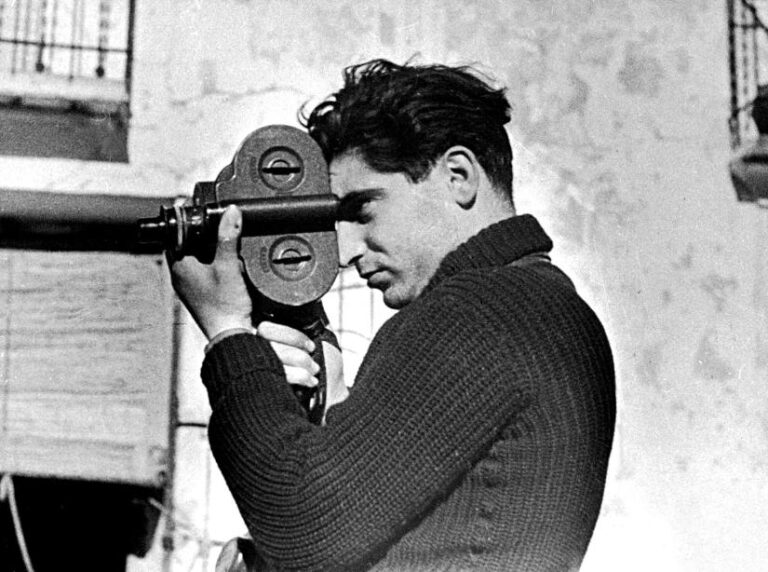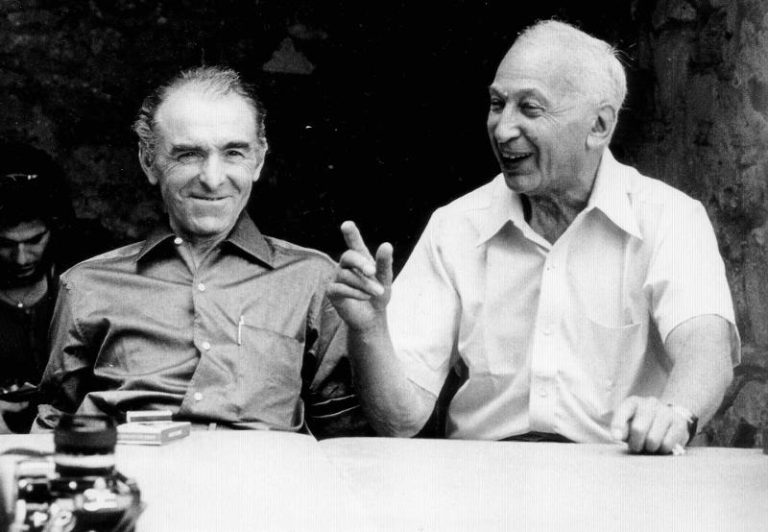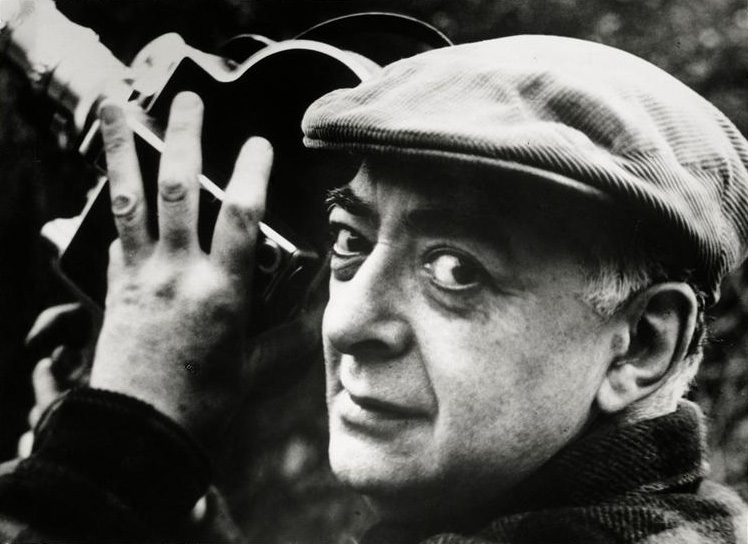

Born in Budapest in 1894 as Andor Kertész, the man who would become a giant of modern photography never truly left his roots behind. His mother ran a coffee shop in Budapest’s Teleki Square, but it was the time spent with relatives in the rural village of Szigetbecse that would define his visual language for a lifetime.
The Visual Diary: Paris and the Leica
Kertész was drawn to photography from a young age. His earliest images captured the landscapes and people of Szigetbecse—themes that would echo through his work for the next seven decades. Driven by a desire to see the world, he eventually left Hungary for Paris, a city he had long yearned for.
Equipped with his 35mm Leica camera, he set out to write a “visual diary” of his life. His early Parisian works reflected the artistic ferment of the era, subtly influenced by his friendships with masters like Picasso, Calder, and Mondrian.
The Solitude of New York
After 11 years in Paris, the looming shadow of World War II forced Kertész to move to New York. While he found professional stability working for the Condé Nast publishing empire, he struggled as an immigrant. Despite his growing authority in the industry, he felt isolated. He was often relegated to commercial assignments that didn’t excite him, and he felt that his unique, poetic style was misunderstood by the American public.
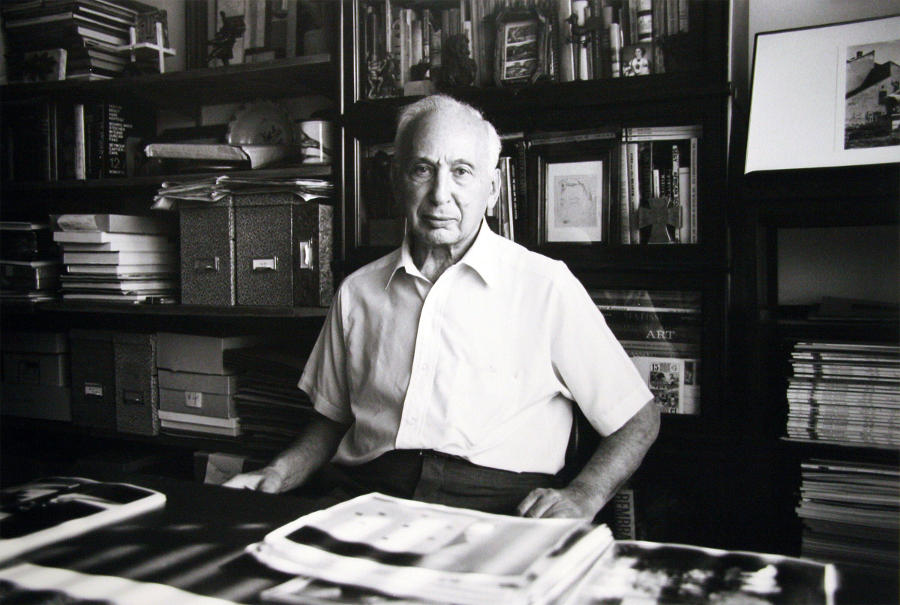
By the time worldwide fame finally caught up with him, he was an old man. The death of his wife, Elizabeth, in 1977—who was ten years his junior—left him profoundly lonely. In his final years, living in his apartment overlooking Washington Square, he rarely ventured out. He spent his hours photographing the objects in his home with a Polaroid camera, searching through the fragments of his memories.
A Homecoming in Spirit
Despite nearly half a century in America, Kertész maintained a deep emotional connection to Szigetbecse. He was touched by the village’s plan to build a museum for him, designed to resemble the old family estate. In a final gesture of love for his homeland, he donated 120 original, signed photographs to the museum.
André Kertész passed away on September 28, 1985. Following his death, his estate was divided between the Mission du Patrimoine Photographique in Paris and the André and Elizabeth Kertész Foundation in New York. However, according to his last will, a significant collection of 200 photographs and numerous personal belongings were returned to Hungary.
The Legacy of Szigetbecse
Today, the André Kertész Memorial Museum in Szigetbecse stands as a testament to his legacy, maintained by the Hungarian Museum of Photography. In one of his final interviews, Kertész reflected on the village that shaped him:
“Becse didn’t become defining because of relatives, but because I could get so close to nature and to those with whom this happened to me. Later, whether I photographed landscapes or people in Esztergom, France, or New York, the landscape and people of Becse were reborn in every image.”
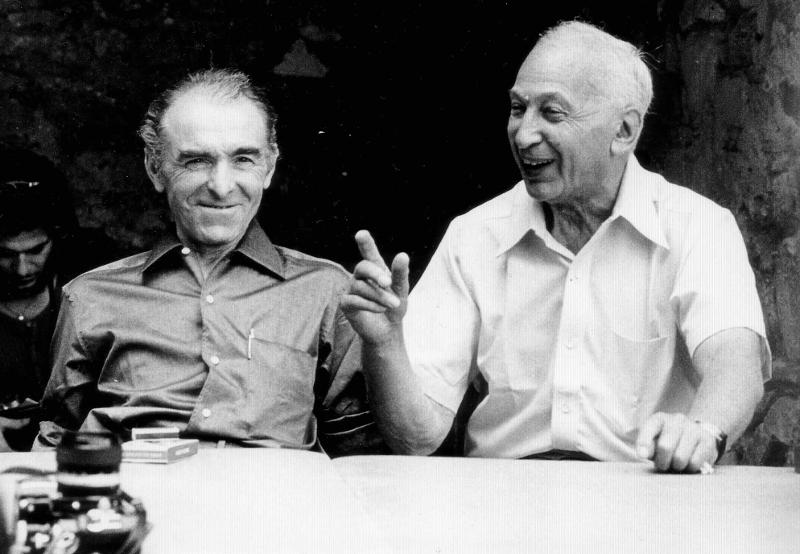


Kertész’s commitment to his roots was matched only by his artistic integrity. Learn why he believed every photographer should remain an ‘amateur’ at heart.