
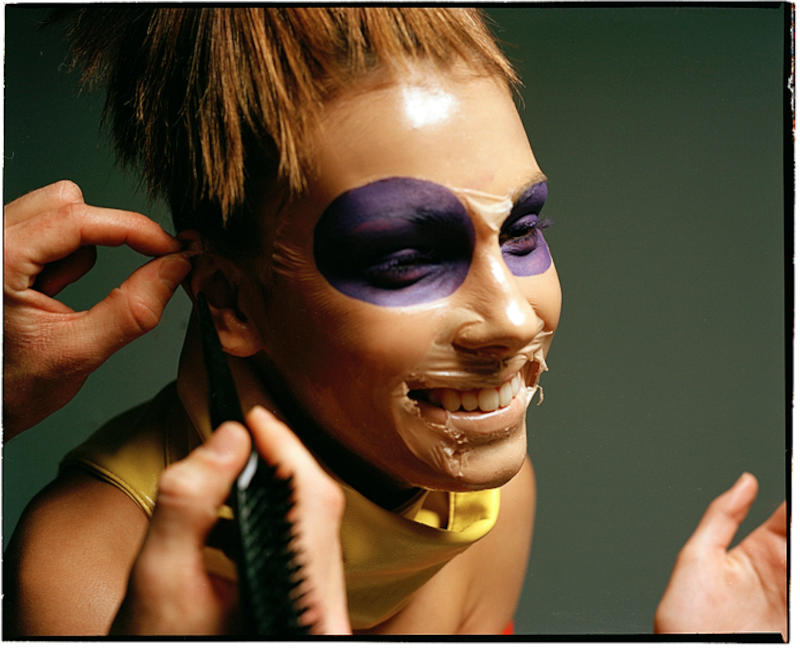

In the era of High Definition (HD) and 4K/8K cameras, every detail is visible. Professional photography requires a specific makeup approach to ensure the skin looks flawless yet natural under intense studio lighting. Whether you are a photographer advising your models or a makeup artist, these industry secrets will help you achieve the perfect camera-ready look.
1. Skin Preparation is Everything
HD cameras capture texture as much as color. Start with a clean, hydrated base. Use a pore-blurring primer to create a smooth canvas. This minimizes the appearance of fine lines and enlarged pores, which are often exaggerated by high-resolution sensors.
2. Choosing the Right HD Foundation
Traditional foundations can look heavy or “cakey” on screen. For HD photography, opt for silicone-based or light-diffusing foundations.
- The Goal: Even out the skin tone without masking the skin’s natural texture.
- Pro Tip: Apply foundation in thin layers. It’s easier to build coverage where needed than to fix a heavy application that looks like a mask under studio lights.
3. Strategic Concealing
Avoid heavy under-eye concealing. Use a color corrector first to neutralize dark circles, then apply a minimal amount of high-pigment concealer. HD cameras can pick up the “creasing” of thick products, so blend thoroughly with a damp beauty sponge.
4. The Art of Subtle Contouring
High-definition lenses can make faces look flat if not properly contoured. Use cream contours instead of heavy powders for a more seamless, skin-like finish. Focus on:
- Defining the jawline.
- Enhancing the cheekbones.
- Subtle nose shaping.
- Remember: In HD, “less is more.” The goal is to mimic natural shadows.
5. Controlling Shine without the “Flour” Look
Powder is necessary to control unwanted glare, but too much can lead to “flashback” (white patches in photos). Use a translucent HD finishing powder only on the T-zone. Avoid products containing high amounts of silica if you are using a heavy flash.
6. Eyes and Brows
Define the eyes with matte or satin shadows. High-shimmer pigments can sometimes create unpredictable reflections in a studio environment. Ensure the brows are well-groomed but not overly “blocked” out; individual hair-like strokes look much more realistic in close-up HD portraits.