Depth in Photography – How to Add More Dimension to Your Images
How can photographers create the sense of depth in an image? This guide explains simple composition techniques—foreground elements, wide-angle lenses, leading lines, and natural framing—that help add the third dimension to landscape photographs.

Techniques to Create the Sense of the Third Dimension
How can photographers convey depth – the sense of the third dimension – in a photograph? This question becomes particularly important in landscape photography, where the scene itself often stretches far beyond the camera frame.
Because photography compresses a three-dimensional scene into a two-dimensional surface, the photographer must deliberately apply compositional techniques that help the viewer perceive spatial relationships within the image. The following methods can help introduce a stronger sense of depth and perspective.
Compose the Image in Layers
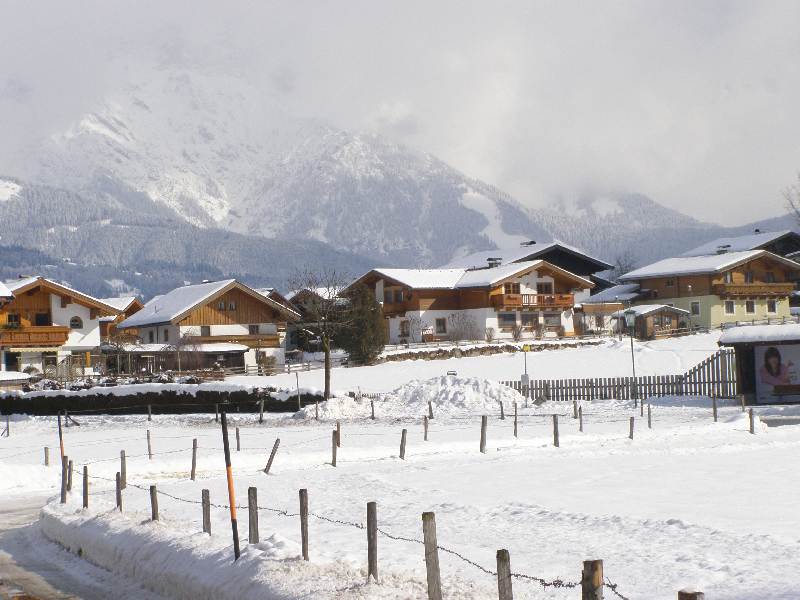
Think about the composition in three horizontal zones or layers: foreground, middle ground, and background.
Place a dominant and visually interesting element in each of these areas. A tree, a building, a person, or a rock formation can function as a visual anchor.
This layered composition creates perspective and helps the viewer understand spatial distance within the image. It is important that the three zones remain visually separated; avoid situations where the foreground, middle ground, and background merge into a single indistinct mass.
Use Wide-Angle Lenses
Wide-angle lenses naturally enhance the perception of depth. Their broader field of view provides greater flexibility when composing foreground elements and exaggerates the spatial relationship between near and distant subjects.
Lenses around 24 mm or 28 mm are particularly useful. They offer a wide field of coverage while still keeping distortion relatively minimal.
Include a Strong Foreground Element
Place an interesting object with a pleasing shape in the foreground of the composition. Ideally, this element should guide the viewer’s eye toward the center of the frame or toward the background.
Lowering the camera position slightly—placing it below eye level—can further emphasize the foreground subject and strengthen the visual depth of the scene.
Use Leading Lines
Take advantage of lines within the environment that naturally draw attention toward the subject of the image.
Elements such as roads, railings, fences, or pathways can act as leading lines, guiding the viewer’s eye through the photograph and toward the main subject. These lines help establish spatial direction and reinforce the feeling of depth.
Apply Natural Framing
Another useful technique is framing. Foreground elements can be used to frame the main subject of the photograph.
Examples include doorways, tree branches, bushes, or architectural structures. These elements surround the subject visually and create an additional spatial layer.
When using this technique, ensure that the framing elements are also properly exposed and sufficiently sharp so they contribute to the overall composition rather than becoming distracting.