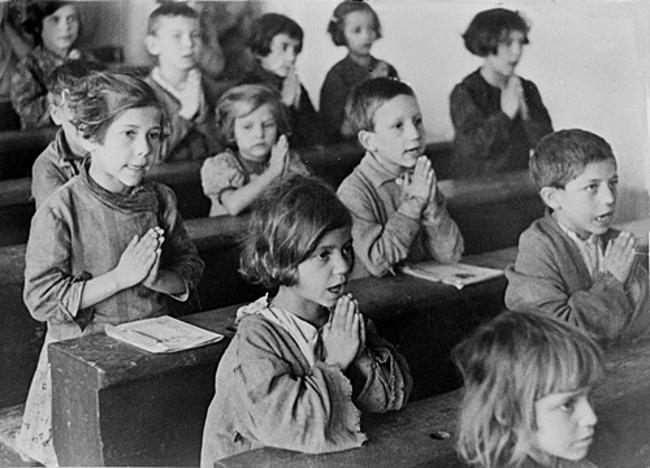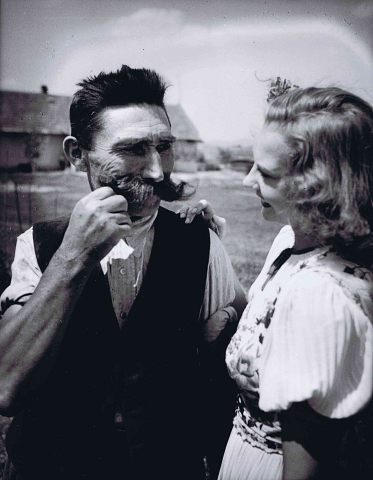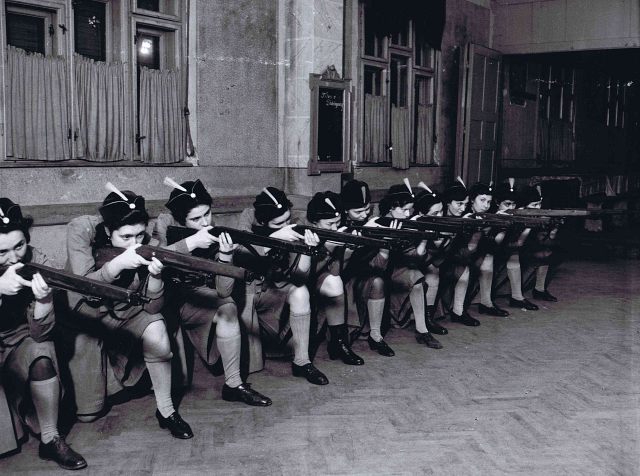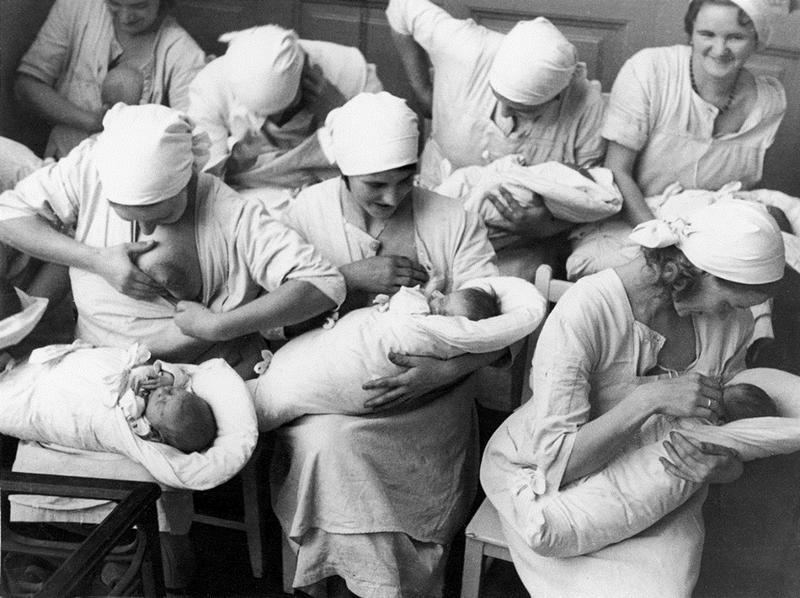

It is a common misconception that all the great Hungarian photographers of the interwar period—André Kertész, Brassaï, Moholy-Nagy, Martin Munkácsi, and Robert Capa—left their homeland to become giants of photographic history abroad. Károly Escher (1890–1966) belongs to that elite group who chose to stay in Hungary. His lifework is indispensable, and the artistic quality of his images rightfully places him among those world-renowned icons.
Born in Szekszárd, Escher was one of the few who elevated reportage photography to the level of fine art in Hungary. His images have lost none of their relevance; they continue to preserve deep intrinsic values that stand the test of time.
From Film to the Front Page
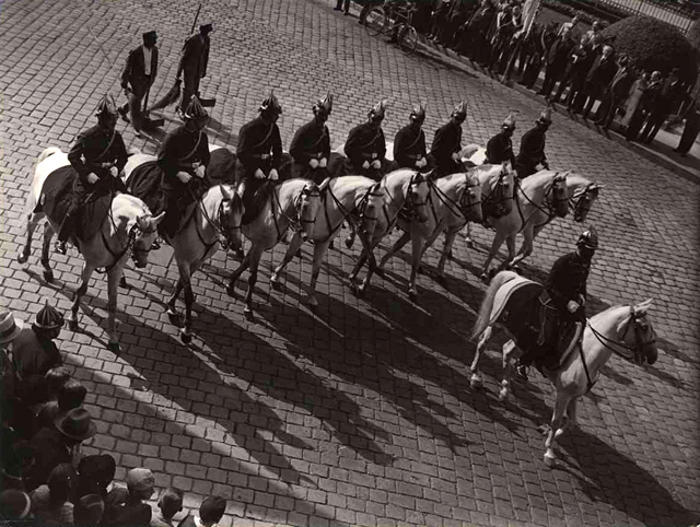
Escher began his career in the film industry in 1916, serving as a newsreel cinematographer until 1919. In 1927, upon the recommendation of Rudolf Balogh and Ernő Mihályfi, he became a photographer for the Az Est newspapers. He primarily published in the illustrated supplement of Pesti Napló, but his work appeared in nearly every significant magazine of the era, including Híd, Film-Színház-Irodalom, and Színházi Élet. Over a career spanning five decades, he was present at every event worth documenting.
A Mirror to Society
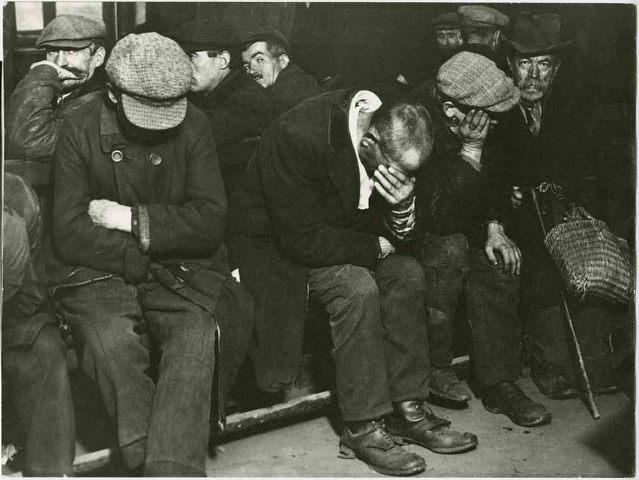
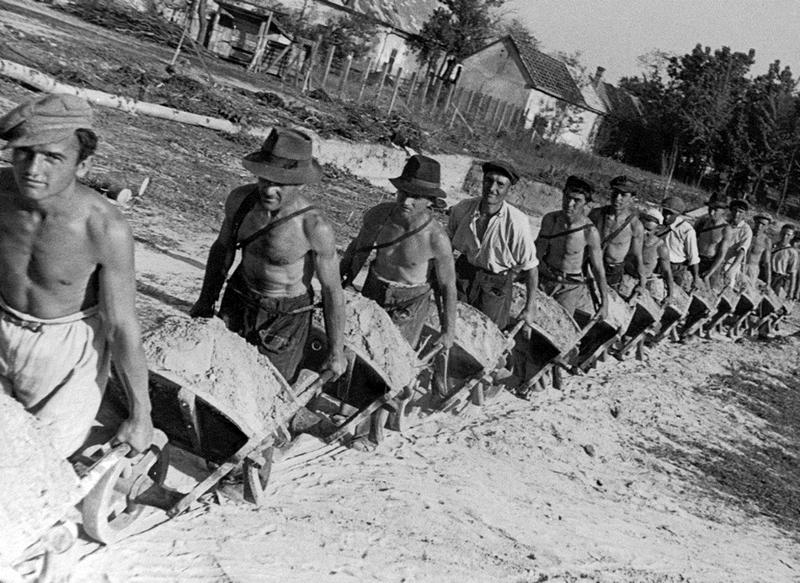
His lens captured a vast spectrum of subjects. He took portraits of cultural and intellectual giants such as Zsigmond Móricz, Thomas Mann, Attila József, Walter Gropius, and Zoltán Kodály. Yet, he was equally dedicated to photographing those on the fringes of society: residents of night shelters, the displaced, laborers, and beggars. Though he never entered the murky waters of politics, he used his photographs as a tool to provoke change and improve the world.
The Pioneer of the Miniature Camera
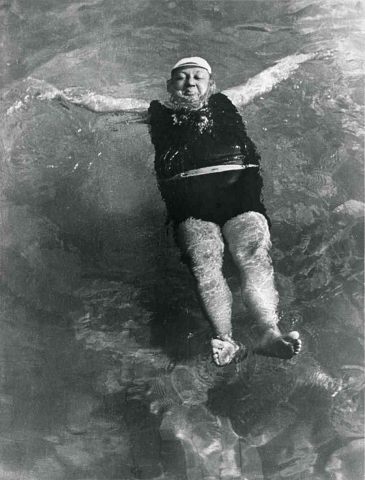
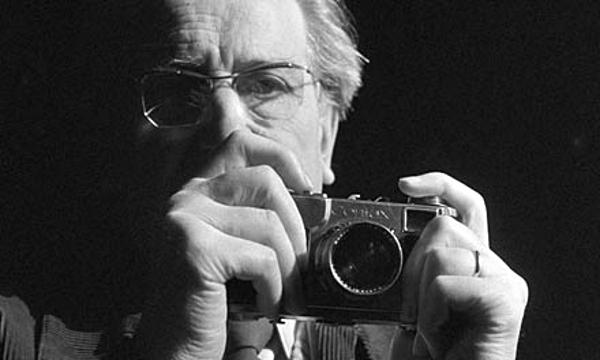
Escher was among the first to recognize and exploit the advantages of small-format (35mm) cameras. He excelled in every branch of photography, whether it was portraiture, sports, news, or long-form documentary reportage. Known for his immense capacity for work, he sought out his own subjects. Upon arriving at a scene, he would assess the situation, take exactly one exposure, and move on to the next location.
By abandoning the bulky, conspicuous plate cameras of the time in favor of a Contax, he was able to capture the moments offered by reality with a naturalism that was previously impossible. In the darkroom, he was a relentless experimenter, constantly pushing the limits of his negatives. Despite winning numerous awards, he famously rejected the title of “photographic artist,” preferring the identity of a working professional. His technical authority was so great that he was entrusted with the restoration of the Petőfi Daguerreotype, a priceless Hungarian national relic.
“The Child”
There is a telling anecdote that illustrates the emotional bond between Escher and his equipment. When leaving for a walk along the Danube with his wife, Nelly, she would often ask: “Is the child coming?” “The child” was his Contax II camera from the mid-1930s—a companion to which he remained faithful until the very end of his life.
Escher Károly fotógaléria