Kodak no longer manufactures cameras
Kodak is ending production of digital cameras, pocket cameras and digital picture frames. The decision marks a major turning point for the company that helped bring photography to the masses and pioneered the first digital camera.

Kodak Ends Camera Production: The End of an Era
Closing a chapter in the history of photography, Eastman Kodak is ending production of digital cameras, pocket cameras and digital picture frames, the U.S. newspaper The New York Times reported on Friday.
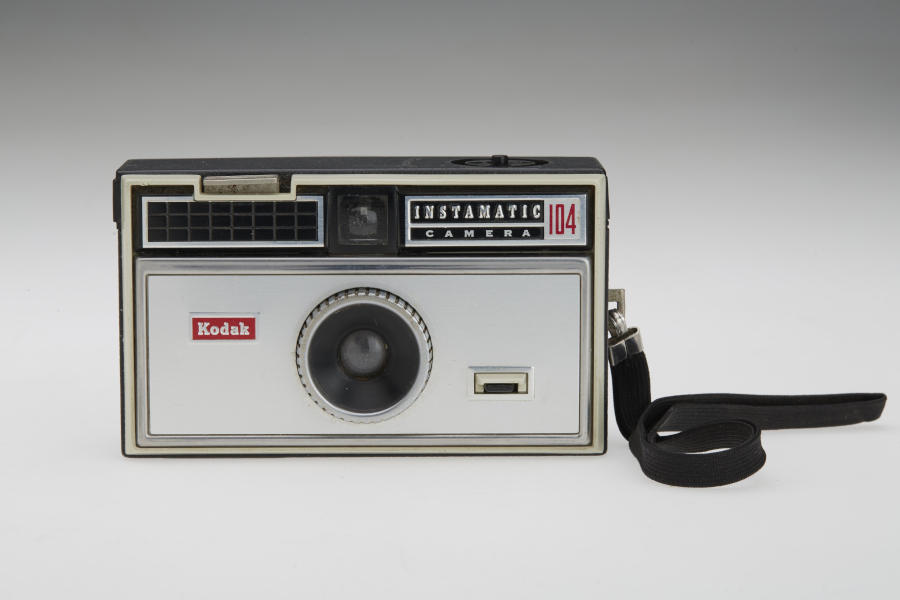
The company that brought photography within reach of the masses was founded by George Eastman in 1880. Kodak became known worldwide for its Brownie and Instamatic cameras, as well as its rolls of film packaged in the company’s distinctive yellow-and-red boxes. However, from the 1980s onward, the company struggled to keep pace with Japanese competitors and failed to make the transition from film to digital technology quickly enough.
Ironically, the first digital camera was developed in 1975 by Kodak engineer Steven Sasson. His prototype was based on an electronic sensor developed at Bell Labs six years earlier. The device was roughly the size of a toaster and could capture black-and-white images at a resolution of just 0.1 megapixels.
During the 1990s, the Rochester, New York-based company spent $4 billion developing camera technology that would later become widely used in mobile phones. Kodak’s stubborn commitment to film gave companies such as Canon and Sony an opportunity to overtake the once-dominant photography giant.
The company’s highly profitable analog business, which Kodak was reluctant to abandon, ultimately disappeared within little more than a decade as digital photography became mainstream. The shift fundamentally transformed the photography industry and left Kodak struggling to redefine its role in an increasingly digital market.
Kodak, which filed for bankruptcy protection in January, saw its future in photo printers, high-speed inkjet presses, workflow software and packaging. The company planned to halt production during the first half of 2012 and sell its licenses to other companies.
With the decision, Kodak was moving away from photography and toward the commercial printing industry. The company expected the change in business strategy to generate annual savings of approximately $100 million.
Kodak did not disclose how many employees would lose their jobs, saying only that it estimated the cost of the layoffs at around $30 million.
The decision marked a significant turning point for one of the most recognizable names in the history of photography. Kodak had played a central role in making photography accessible to millions of people, yet the company ultimately struggled to adapt to the technological revolution it had helped initiate.
Source: Demeter Pogár, Washington – MTI