Robert Capa: The War Photographer Who Turned History into Personal Narrative
Robert Capa’s biography and legacy: the Hungarian-born war photographer who redefined photojournalism through proximity and visual storytelling.

An International Career of a Hungarian-born Photographer
Robert Capa remains one of the most influential figures in 20th-century photography. Born Endre Friedmann in Budapest in 1913, he left Hungary at a young age and built his career abroad, eventually becoming one of the most recognized war photojournalists in history.
Early Years and Emigration
Capa left Hungary in 1931 and continued his studies and early photographic work in Berlin and later in Paris. The political climate in Europe during the 1930s shaped both his personal trajectory and professional opportunities.
He adopted the name “Robert Capa” as part of a strategic identity construction, which helped position him in the competitive international press market.
War Correspondent on the Frontlines
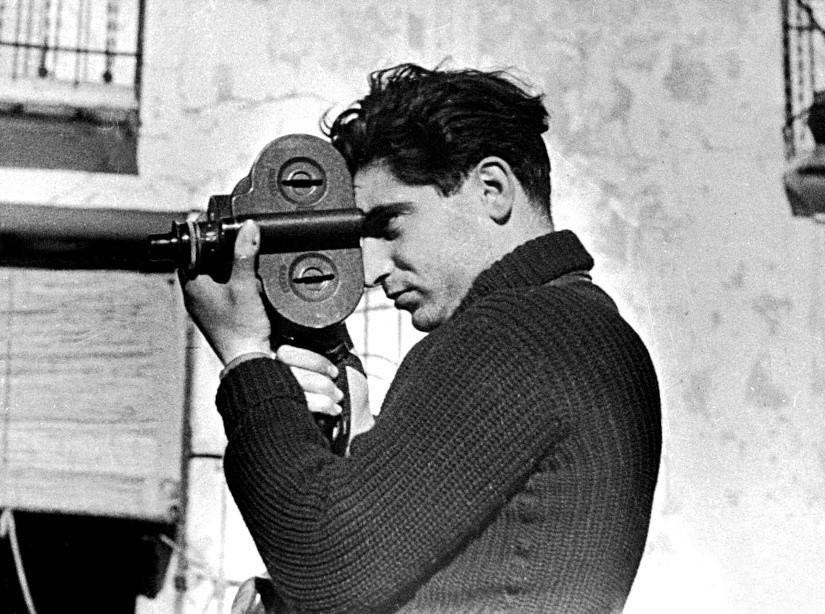
Capa gained international recognition during the Spanish Civil War and later became widely known for his coverage of the World War II.
His photographs were characterized by their proximity to the action, offering direct visual accounts of conflict zones and shaping the visual language of war reportage.
Founding Member of Magnum Photos
In 1947, Capa co-founded Magnum Photos, an agency that redefined photographers’ rights and autonomy. Magnum introduced a cooperative model that allowed photographers to retain control over their work.
This institutional contribution remains one of Capa’s most significant legacies beyond his photographic output.
Return to Hungary in 1948
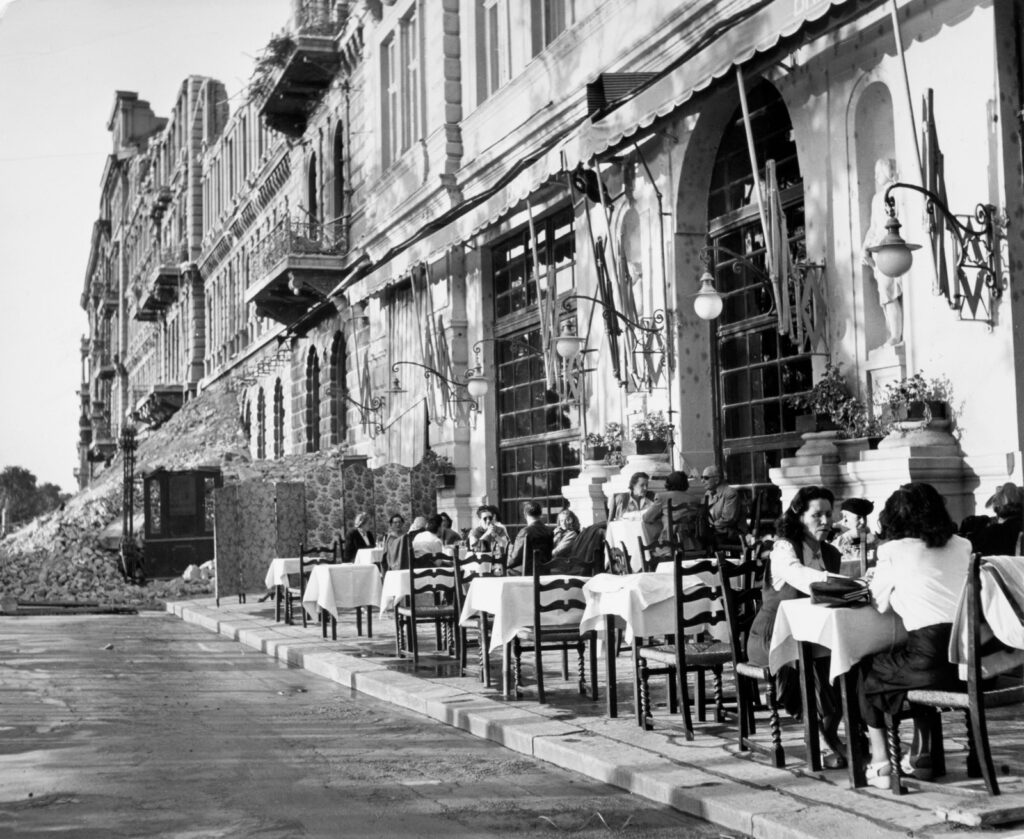
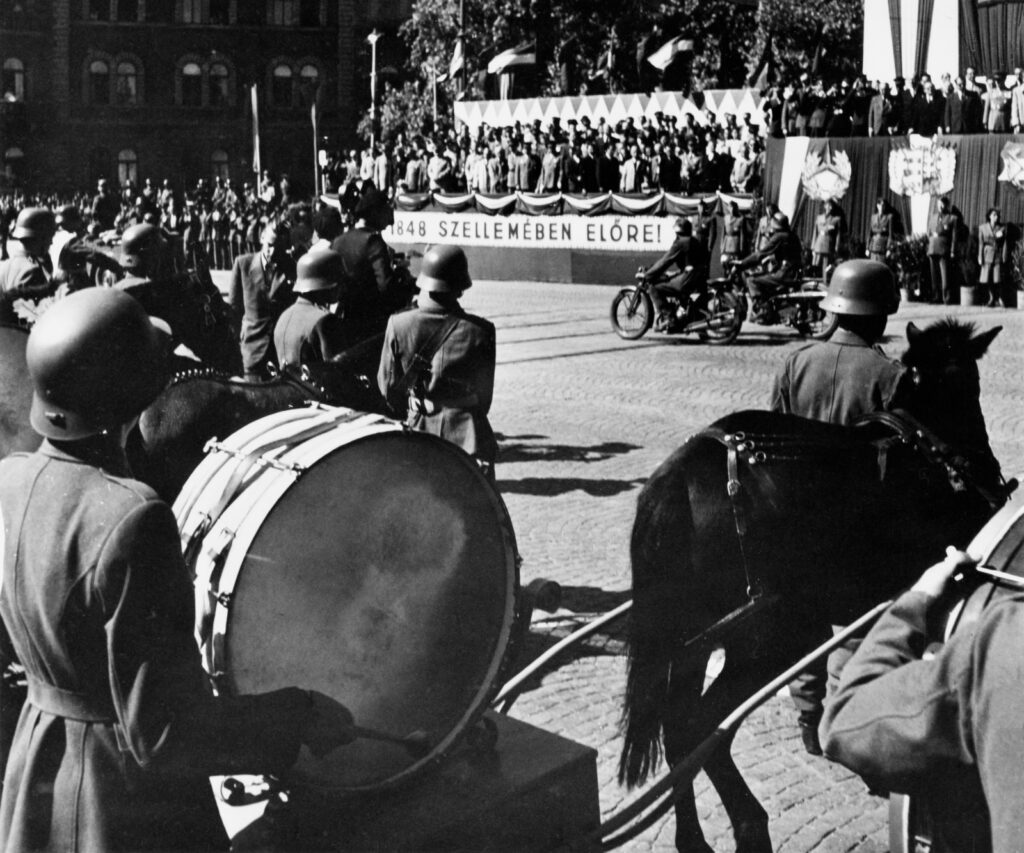
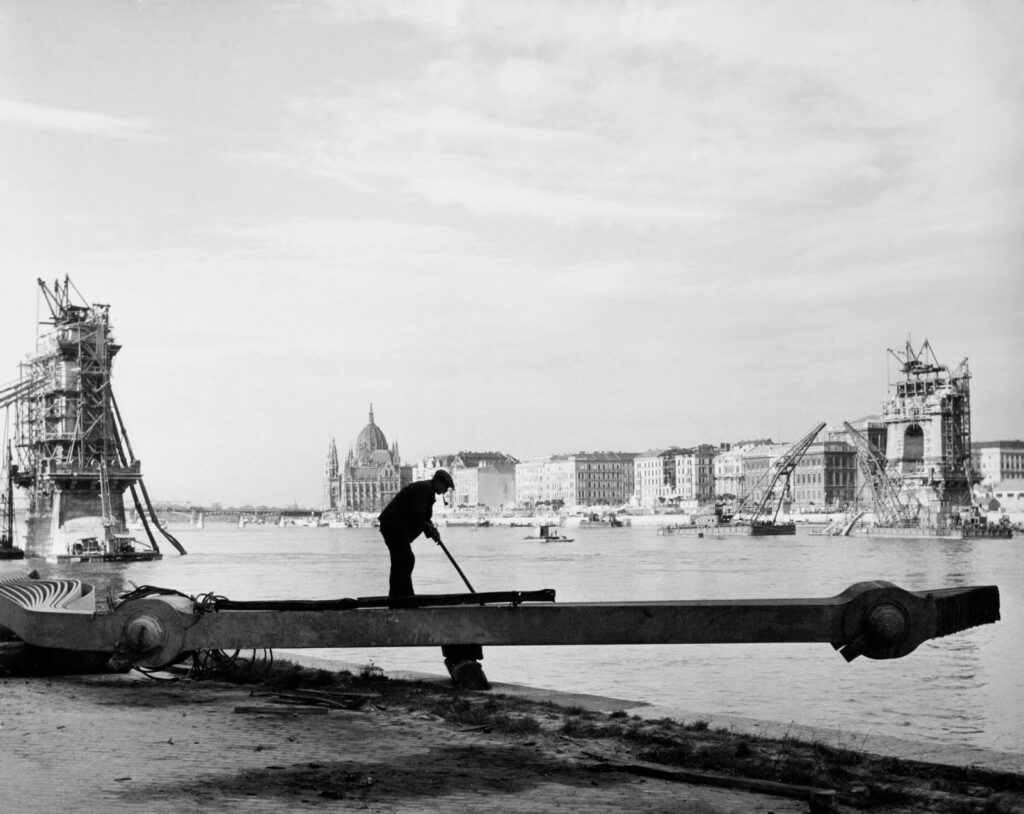
Capa returned to Hungary in 1948 after nearly two decades abroad. This visit resulted in a photographic series documenting post-war Budapest and Hungarian society during a transitional historical moment.
The images reflect both documentary intent and a personal reconnection with his birthplace.
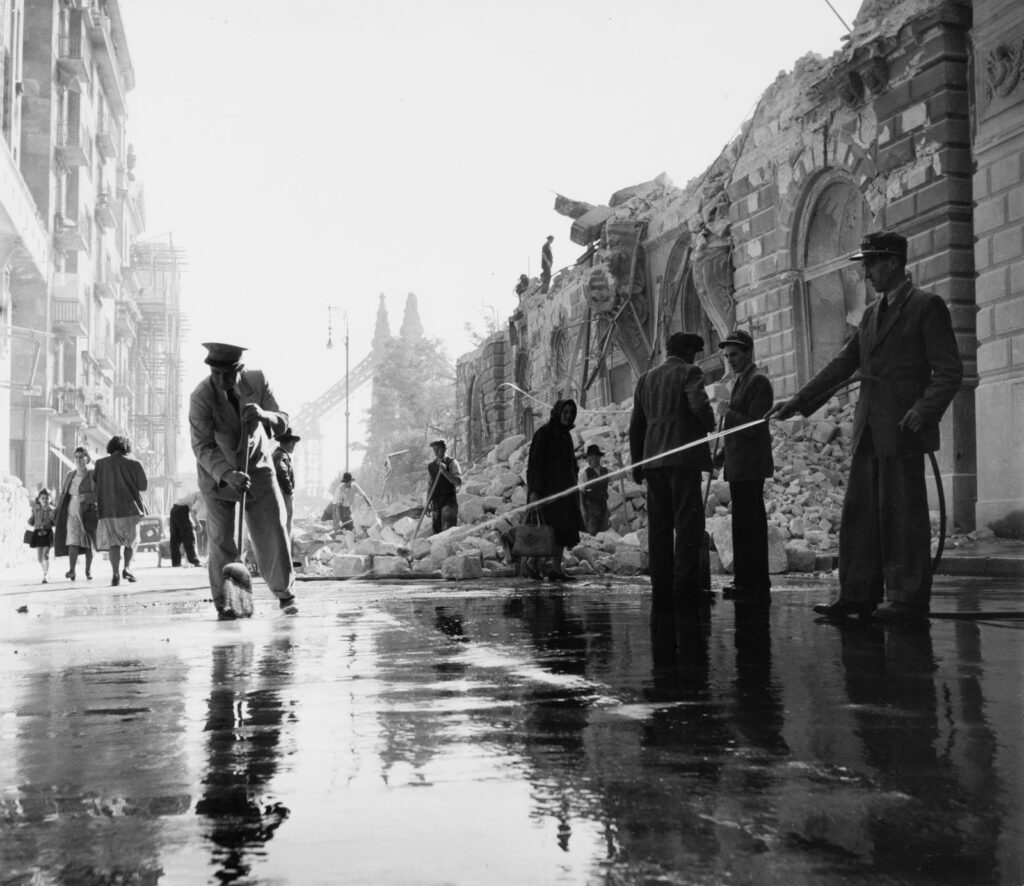
The Significance of the “Hungarian Report, 1948”
The 1948 series captures a country in the process of reconstruction, following the devastation of World War II. At the same time, it subtly reflects the early stages of a shifting political system.
These photographs occupy a distinct place within Capa’s oeuvre, combining journalistic observation with autobiographical elements.
Photographic Approach and Visual Method
Capa’s working method was based on physical and emotional proximity to his subjects. His well-known statement—“If your pictures aren’t good enough, you’re not close enough”—summarizes his approach.
This principle influenced generations of photojournalists and remains central to documentary photography practices.
Contribution to Documentary Photography
Capa’s work played a critical role in shaping documentary photography as both a visual and narrative medium. His images not only documented events but also constructed visual narratives that provided context and interpretation.
This approach expanded the function of photography beyond mere recording.
Legacy and Influence
Capa died in 1954 during the First Indochina War while on assignment. Despite his early death, his influence persists in contemporary photojournalism.
His images continue to serve as reference points for visual storytelling in conflict zones.
Contemporary Interpretation of His Work
Capa’s archive is actively researched and exhibited through international collaborations involving museums, archives, and institutions. These efforts contribute to the ongoing reinterpretation of his work.
Hungarian Heritage in a Global Context
Capa’s legacy occupies a dual position: it is both an integral part of Hungarian cultural heritage and a cornerstone of international photographic history.
His Hungarian works, particularly the 1948 series, highlight the personal dimension within a globally recognized career.
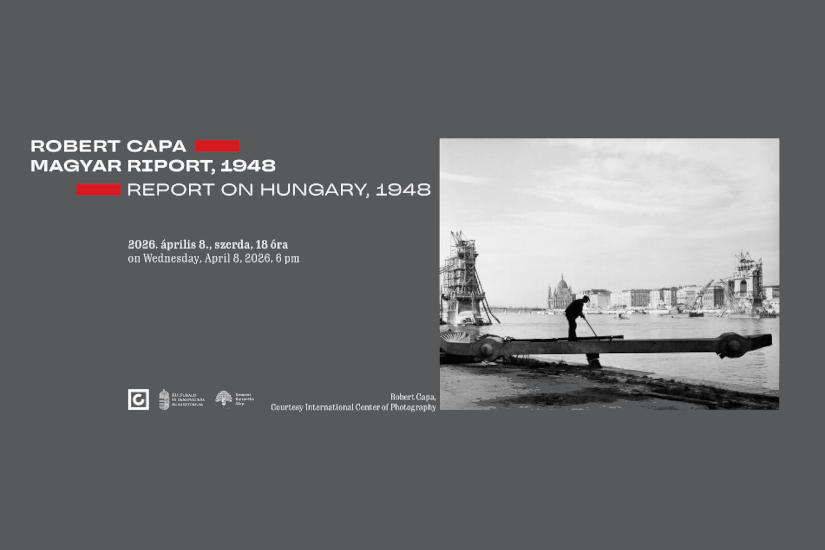
Robert Capa’s previously unseen photographs of Hungary will be presented in a new exhibition at the Capa Center.
The exhibition “Report on Hungary, 1948” documents a special historical moment – the rebuilding of Budapest and the story of a personal return.
📍 April 9 – August 23, 2026
The exhibition features selections from the photography collection of the International Center of Photography in New York. More information: Robert Capa Contemporary Photography Center website.
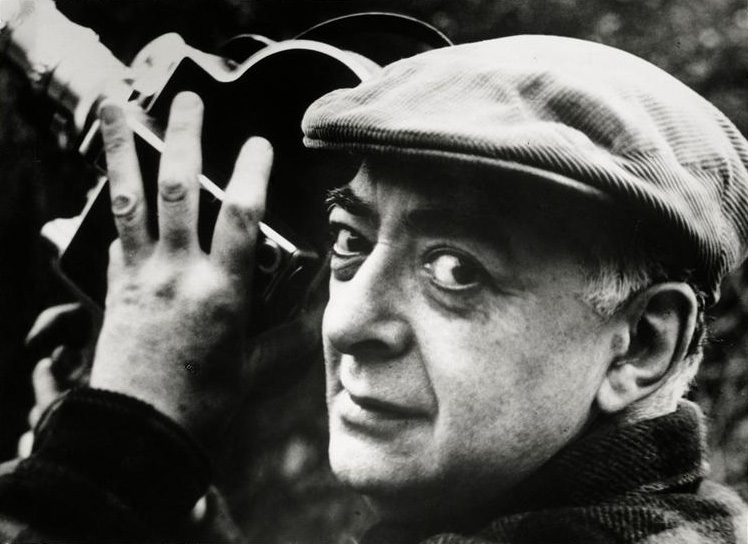
Featured photo: Photographer Robert Capa during the Spanish civil war, May 1937. Photo by Gerda Taro