
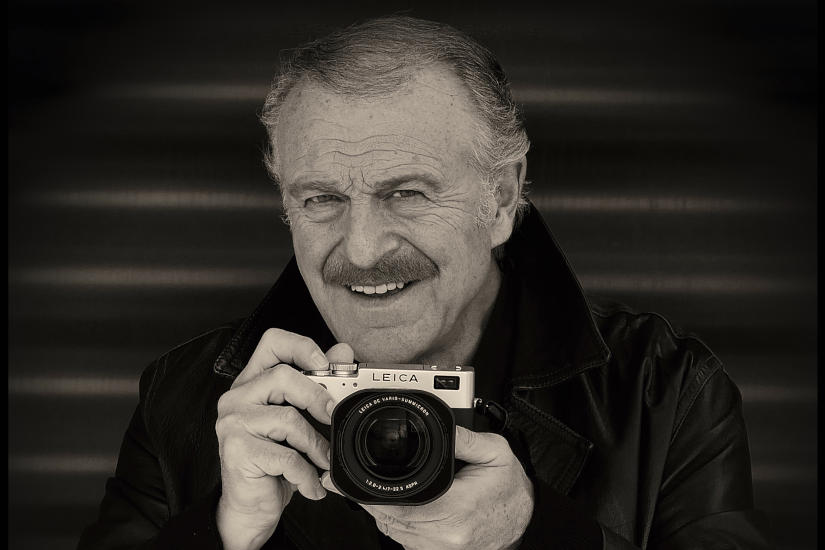
Augusto De Luca Explores Memory and Symbolism in the Armageddon Project
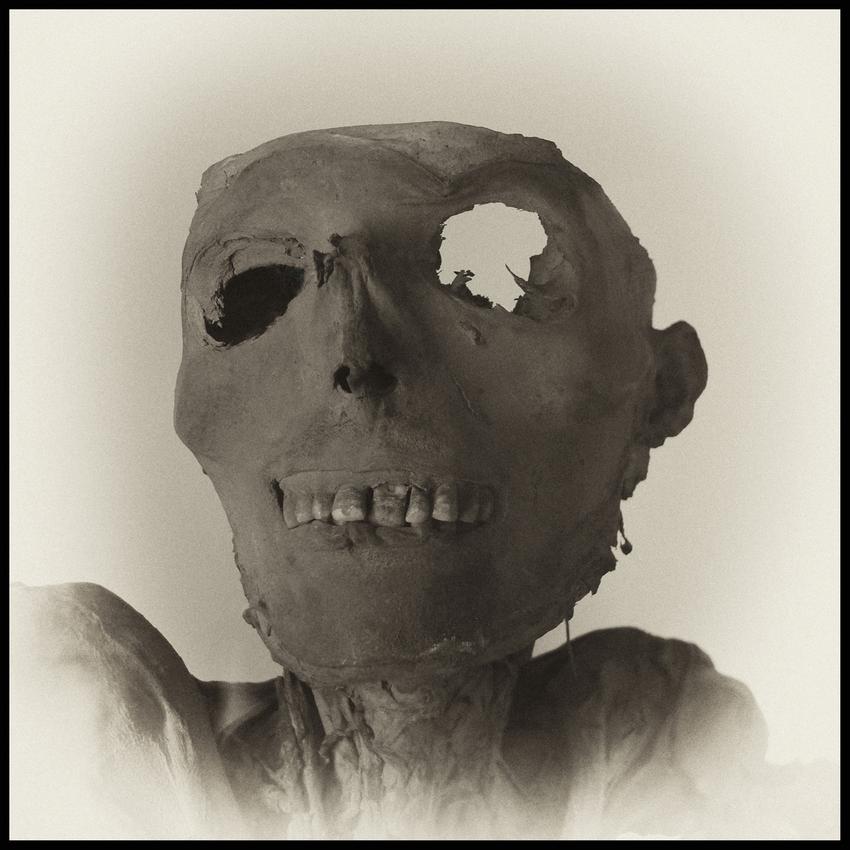
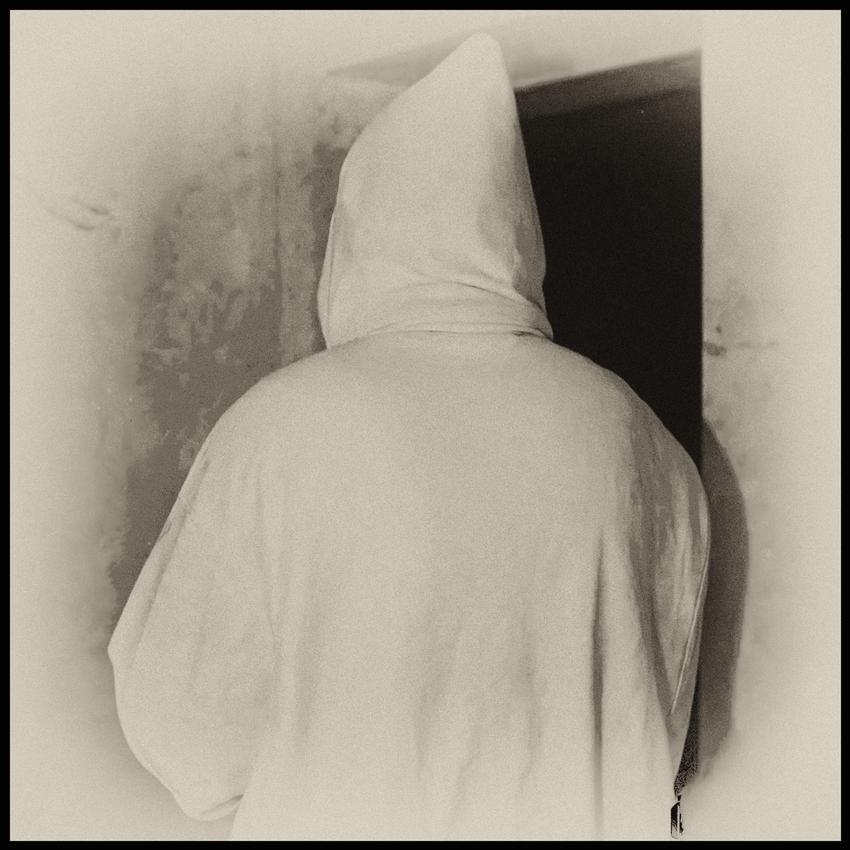
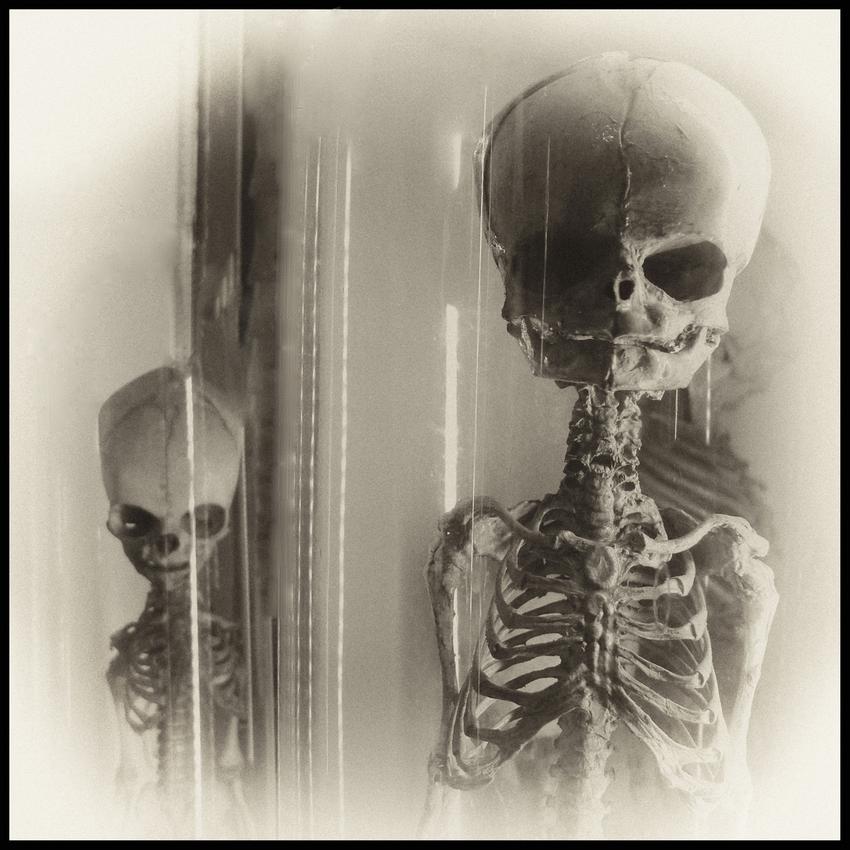
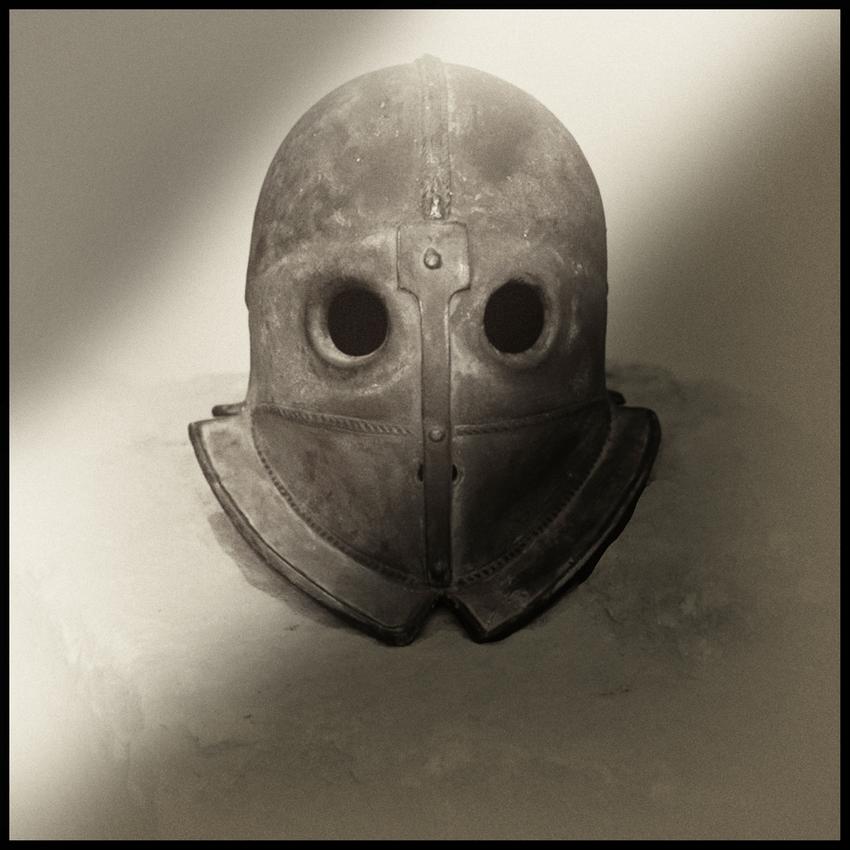
Italian photographer Augusto De Luca expands his long-standing exploration of metaphysical and symbolic photography with Armageddon Project, a recent photographic series that examines the human legacy of the World Wars through surreal compositions, symbolic visual language, and carefully constructed photographic narratives.

Italian photographer Augusto De Luca has introduced his recent photographic series, Armageddon Project, continuing a career that spans more than five decades of experimentation with photography, portraiture, and conceptual visual storytelling. Rather than documenting historical events in a conventional manner, the project examines the lasting psychological and cultural impact of the World Wars through symbolic imagery and metaphysical compositions.
The series reflects De Luca’s long-standing interest in using photography not only as a documentary medium but also as a language capable of expressing concepts that extend beyond visible reality. Through carefully controlled composition, light, and symbolic elements, the project encourages viewers to consider the relationship between memory, history, and human experience.
Augusto De Luca’s Career and Photographic Vision
Born in Naples, Italy, on July 1, 1955, Augusto De Luca initially pursued classical studies before earning a degree in law. During the mid-1970s, however, he turned his attention to professional photography, developing a distinctive visual language that combined technical precision with conceptual experimentation.
Throughout his career, De Luca has worked across portrait photography, architecture, still life, and conceptual fine art photography. His images frequently emphasize clean compositions, carefully selected framing, and the reduction of visual elements to their essential forms. This minimalist approach allows symbolic relationships within each photograph to become more apparent without relying on visual excess.
International Recognition
Over several decades, De Luca’s photographs have been exhibited in galleries throughout Italy and internationally. His work has also entered numerous public and private collections, demonstrating sustained institutional interest in his artistic practice.
Among the collections that include his photographs are the International Polaroid Collection (United States), the National Library of Paris, the Municipal Photographic Archives of Rome, the National Gallery of Aesthetic Arts of China in Beijing, and the Musée de la Photographie in Charleroi, Belgium. These collections reflect the international reach of his work and its continuing relevance within contemporary photographic history.
The Concept Behind the Armageddon Project
Photography Beyond Documentation
The Armageddon Project does not attempt to recreate historical battles or present documentary evidence of war. Instead, it examines the emotional and philosophical consequences that remain long after armed conflicts have ended.
According to De Luca, photography possesses the ability to explore dimensions of experience that are not immediately visible. Rather than recording only physical reality, the camera becomes an instrument for investigating memory, silence, absence, and the psychological traces left by historical events.
This approach places the series within the broader tradition of conceptual photography, where images function as visual arguments rather than literal representations.
The Lasting Legacy of the World Wars
The World Wars transformed societies across Europe and beyond, leaving physical destruction alongside profound cultural and psychological consequences. De Luca’s project focuses less on historical chronology and more on these enduring human effects.
Many of the photographs refer indirectly to suffering, resilience, remembrance, and reconstruction. Rather than illustrating individual historical events, the images invite viewers to consider how collective memory continues to influence contemporary society.
The project therefore addresses history through symbolism instead of historical reconstruction, allowing multiple interpretations while maintaining clear thematic coherence.
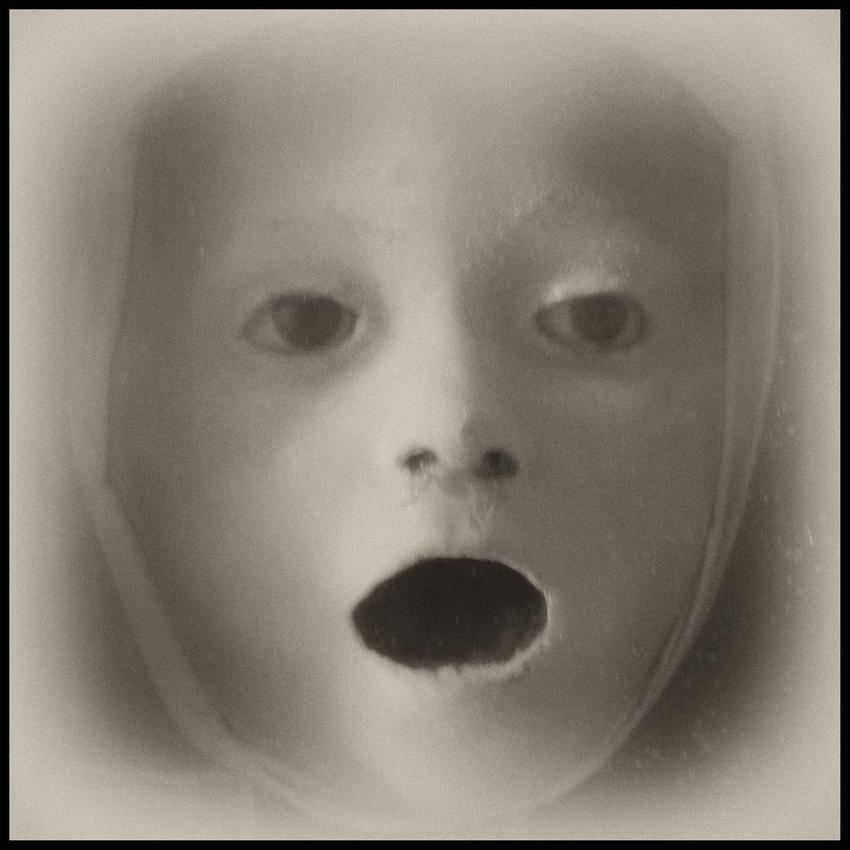
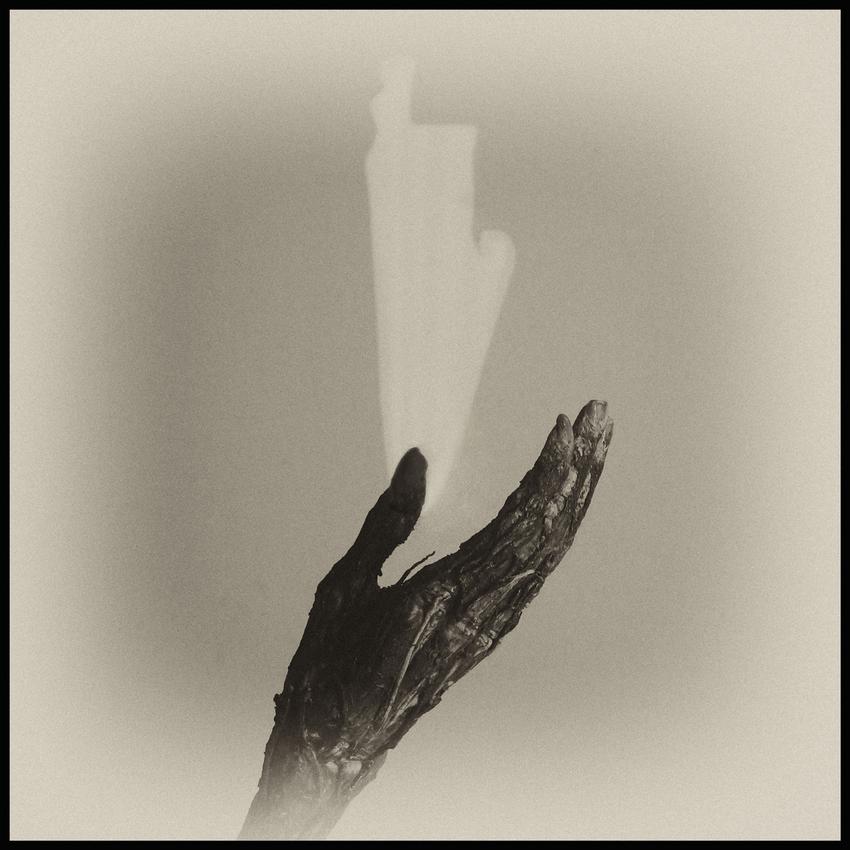
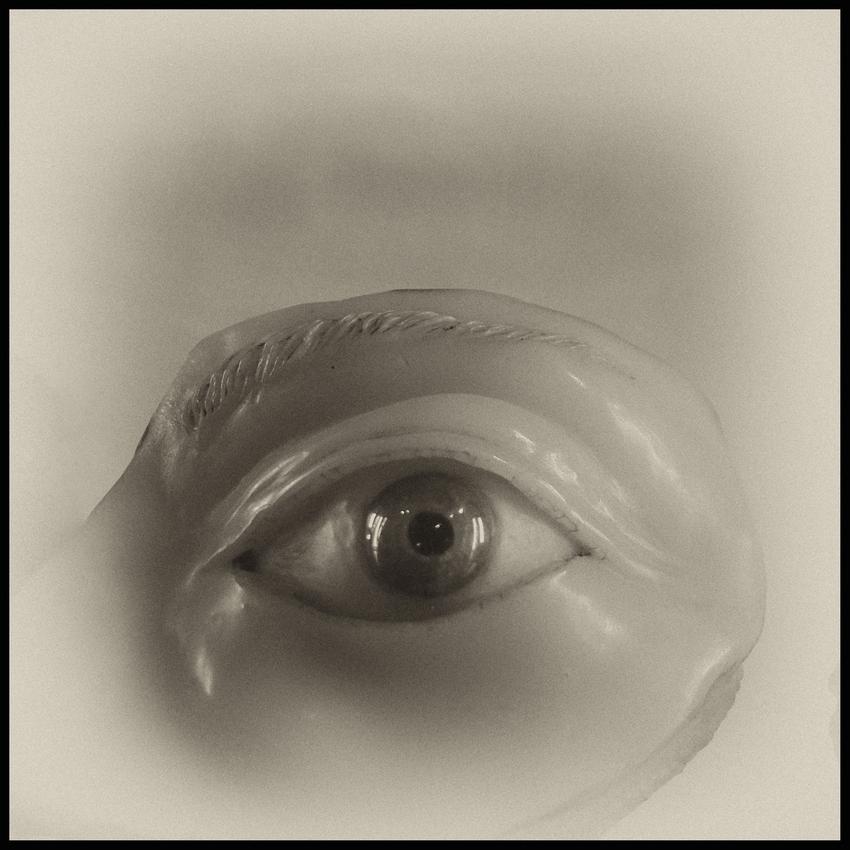
Metaphysical Photography Meets Surreal Visual Language
Symbolism as Narrative
One of the defining characteristics of the Armageddon Project is its extensive use of symbolism.
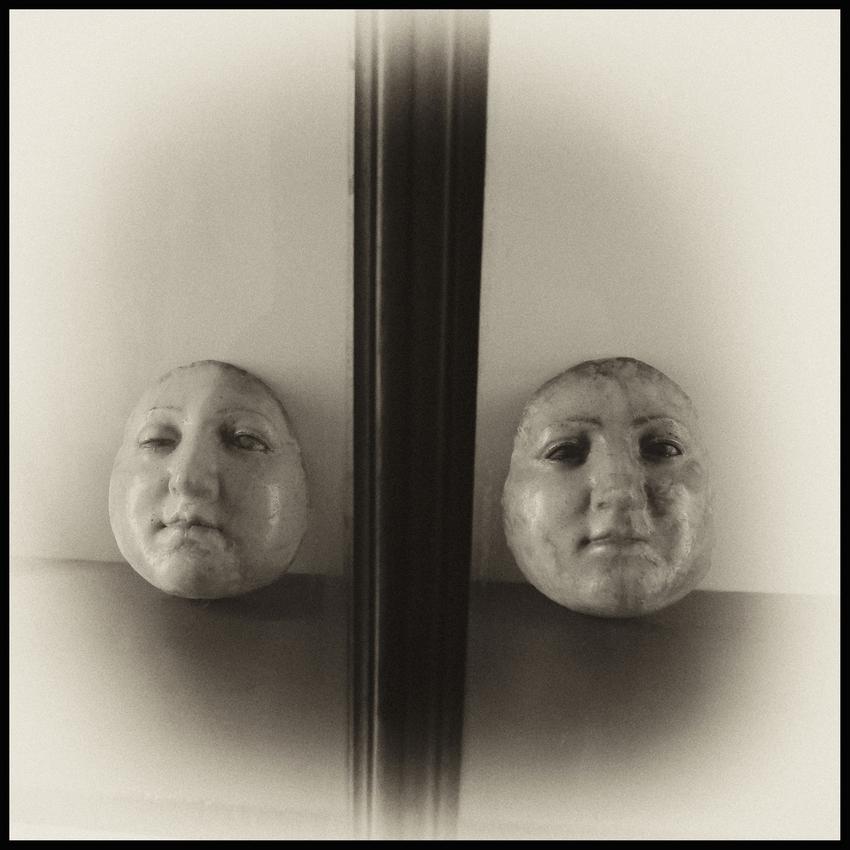
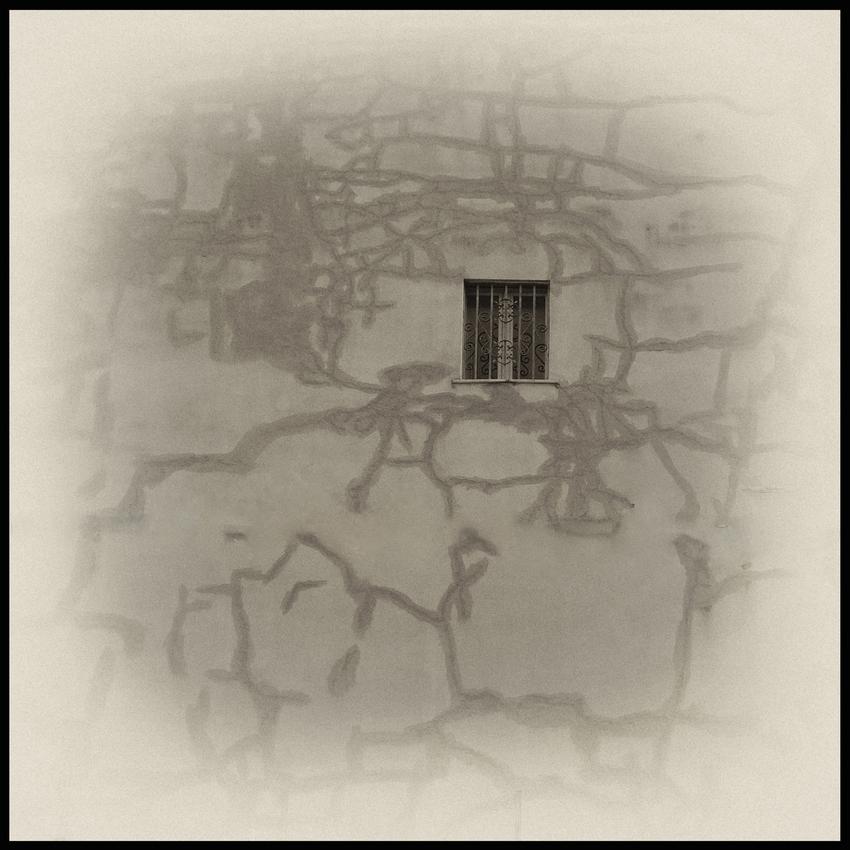
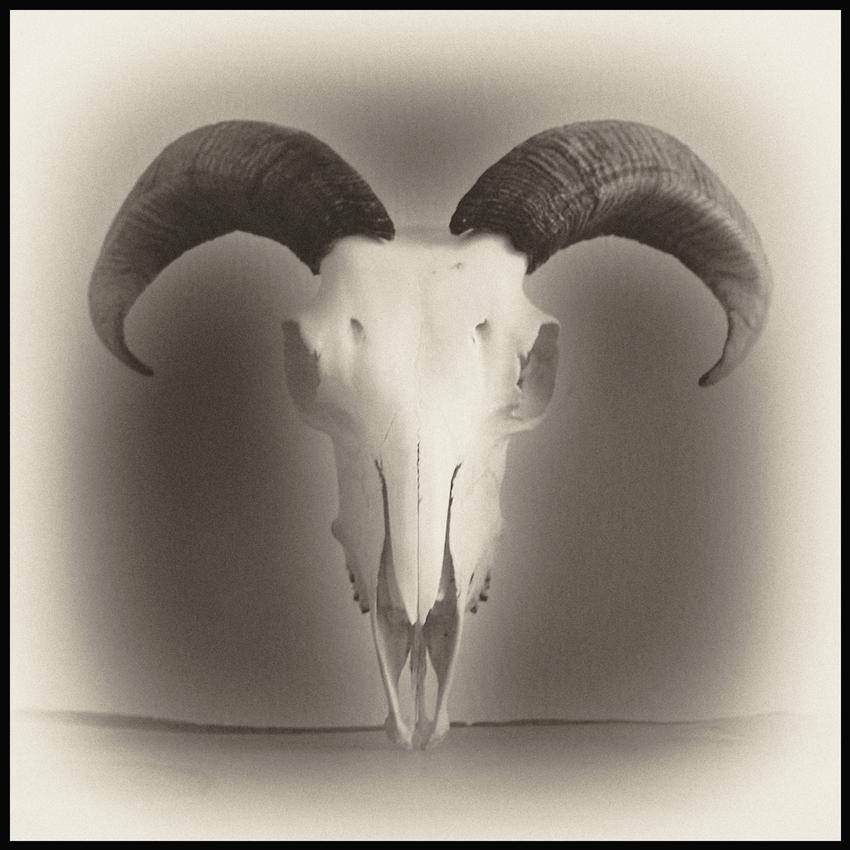
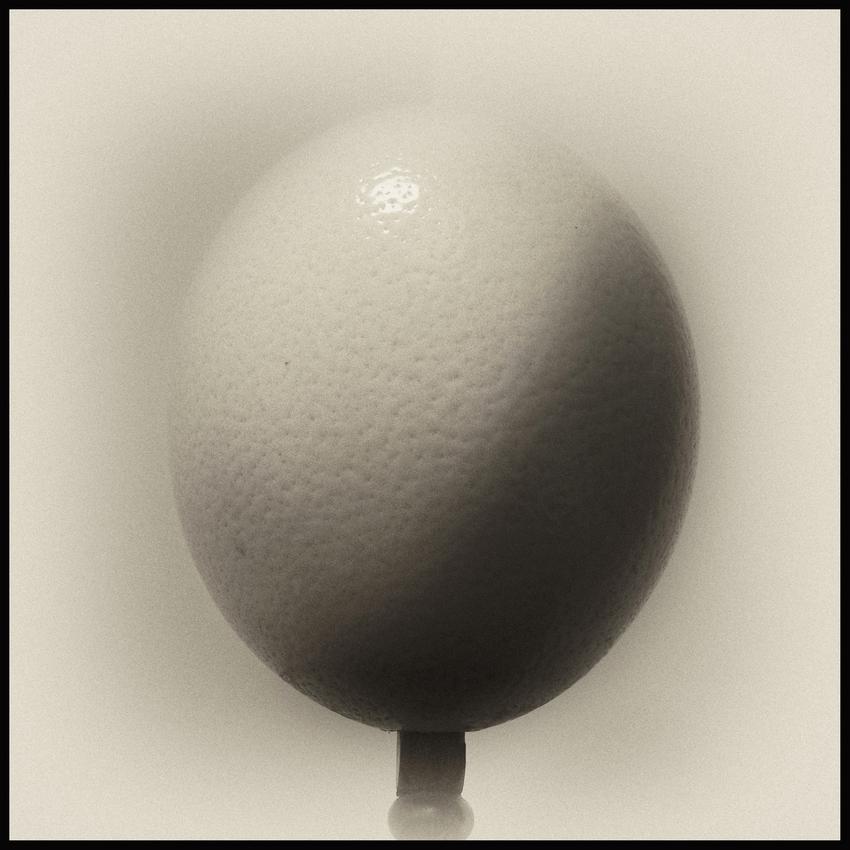
Objects, gestures, architectural forms, and carefully arranged compositions operate as visual metaphors rather than literal subjects. Individual elements gain meaning through their relationships with one another, encouraging viewers to participate actively in interpreting each image.
This symbolic strategy has long been associated with De Luca’s work and remains central to the new series.
Between Reality and Imagination
The surreal qualities present throughout the project are not intended to escape reality but to deepen its interpretation.
Reality is subtly transformed through composition, perspective, lighting, and unexpected visual relationships. These interventions create dreamlike scenes that encourage viewers to reconsider familiar historical themes from alternative perspectives.
Instead of presenting fantasy for its own sake, surreal elements function as interpretive tools that expand the emotional and philosophical dimensions of the photographs.
Composition, Framing, and Visual Economy
Minimal Elements, Maximum Meaning
De Luca has consistently demonstrated an interest in reducing compositions to their essential expressive components.
The Armageddon Project continues this practice by eliminating unnecessary visual information. Every object, shadow, and spatial relationship contributes to the overall conceptual structure of the image.
This disciplined visual economy allows symbolic content to emerge naturally without overwhelming the viewer through excessive detail.
Light as a Narrative Device
Lighting performs an important narrative function throughout the series.
Contrasts between illuminated and shadowed areas create psychological tension while simultaneously directing visual attention. Rather than serving purely technical purposes, lighting becomes an integral component of the project’s symbolic language.
This careful control of illumination reinforces the project’s metaphysical atmosphere without relying on digital spectacle or visual effects.
A Continuation of De Luca’s Artistic Research
Although Armageddon Project introduces new thematic material centred on the legacy of global conflict, it remains closely connected to the artistic principles that have characterized De Luca’s work for decades.
His longstanding exploration of metaphysical space, symbolic composition, and conceptual portraiture continues to evolve while maintaining visual consistency with earlier projects. The series demonstrates how an established photographic language can address contemporary discussions surrounding historical memory and collective identity.
Rather than marking a stylistic departure, Armageddon Project extends an artistic investigation that has developed continuously throughout De Luca’s career.
Contemporary Relevance for Fine Art Photography
The project also reflects broader developments within contemporary fine art photography, where many photographers increasingly combine documentary references with conceptual interpretation.
Instead of presenting objective records, artists frequently explore history through symbolism, staged environments, and carefully constructed visual narratives. This approach allows photography to function simultaneously as documentation, interpretation, and philosophical inquiry.
Within this context, De Luca’s work contributes to ongoing discussions regarding the role of photography in preserving cultural memory while encouraging critical reflection rather than passive observation.
Preserving Historical Memory Through Photography
One of the central themes of Armageddon Project is remembrance.
Photography has historically served as a medium for preserving evidence, documenting social change, and recording historical events. De Luca expands this role by asking whether photography can also preserve emotional memory—those aspects of history that cannot easily be expressed through documentary images alone.
By combining symbolic imagery with metaphysical composition, the project explores how photographic art may contribute to keeping historical awareness alive across generations.
Augusto De Luca’s Continuing Contribution to Contemporary Photography
With Armageddon Project, Augusto De Luca reinforces his position as a photographer whose work consistently bridges technical craftsmanship and conceptual investigation.
The series demonstrates how photography can engage with history without becoming purely documentary, employing symbolism and surreal visual language to explore subjects that remain relevant well beyond their historical origins.
As contemporary photography increasingly embraces interdisciplinary artistic approaches, De Luca’s latest work illustrates the continuing capacity of the photographic medium to stimulate interpretation, encourage reflection, and expand visual storytelling beyond the boundaries of traditional representation.
Photo: Augusto De Luca
Further Reading on Photonet:
– A magyar fotóművészet háromszáz alkotója brings together 300 photographers and more than 600 images in the first comprehensive survey of Hungarian photography. Spanning nearly two centuries, the publication examines artistic movements, photographic techniques and the evolving role of photography in shaping visual culture.
– World Press Photo Days 2026 will bring together award-winning photographers, editors, industry professionals, and the public for three days of presentations, portfolio reviews, workshops, networking events, and discussions. The event coincides with the launch of the World Press Photo Exhibition 2026, showcasing the year’s most significant photojournalism and documentary photography.